
 www.aquaponicsforbeginners.com ```html
 Introduction to Aquaponics
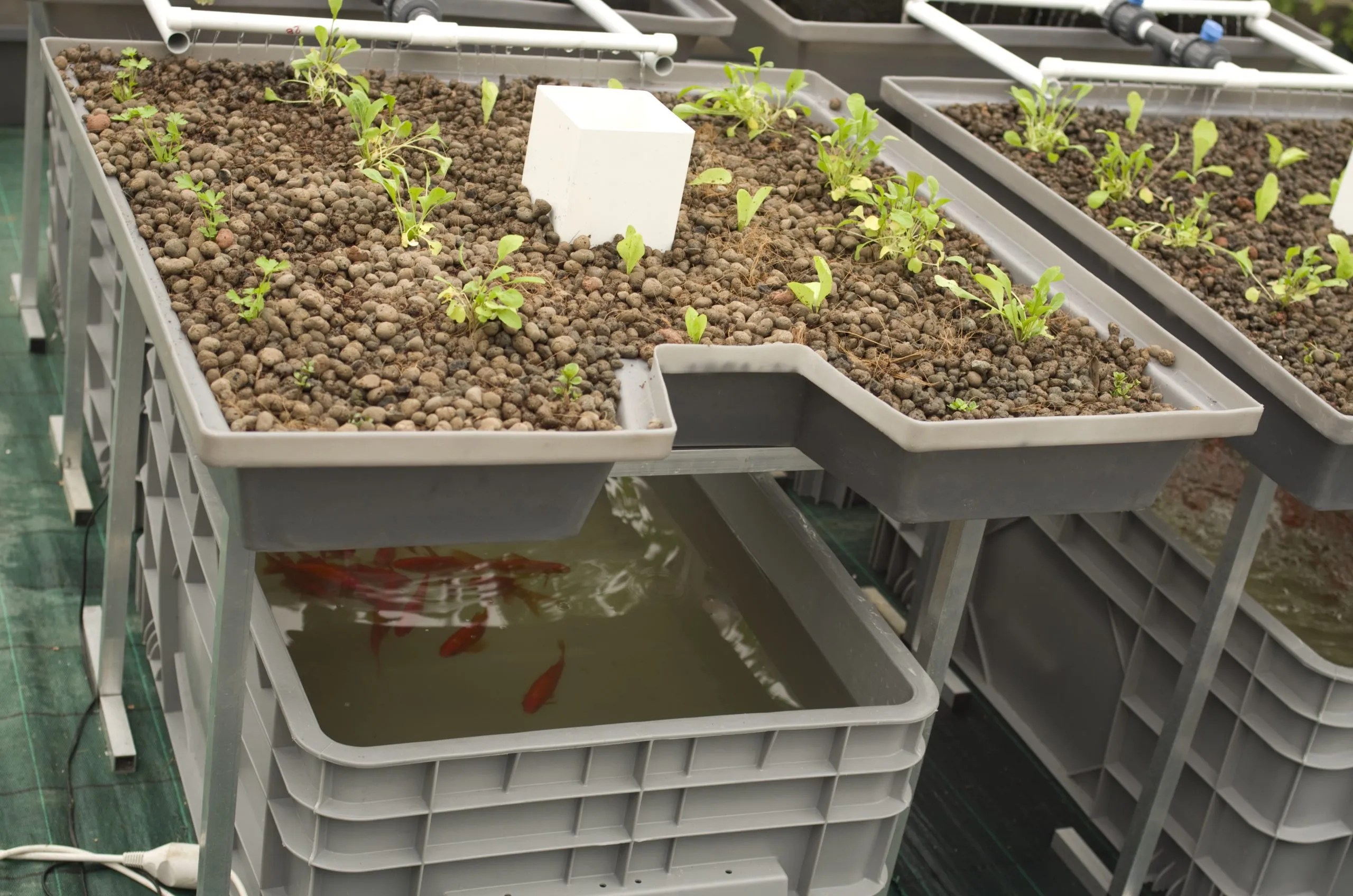
Aquaponics is a fascinating and sustainable way to grow both fish and plants together in a symbiotic environment. The fish waste provides nutrients for the plants, and the plants filter the water for the fish, creating a closed-loop ecosystem. This guide will walk you through building a simple DIY aquaponics system that's perfect for beginners.
Materials You'll Need
Here's a list of materials you'll need to build your aquaponics system: A fish tank (approximately 20-30 gallons to start) A grow bed (a plastic tub or container that can hold water and growing media) A water pump (submersible, with enough power to pump water to the grow bed) Piping/tubing (to connect the fish tank to the grow bed and back) Grow media (clay pebbles, lava rock, or similar inert material) An air pump and air stone (to oxygenate the water in the fish tank) Fish (goldfish or tilapia are good starter fish) Plant seedlings (lettuce, herbs, and leafy greens are easy to grow) Water testing kit (to monitor pH, ammonia, nitrite, and nitrate levels)
Step 1: Setting Up the Fish Tank
First, place your fish tank in a location that receives indirect sunlight. Avoid direct sunlight, as it can cause algae growth and overheat the water. Fill the tank with dechlorinated water. You can purchase dechlorinating drops from a pet store. Install the air pump and air stone to provide oxygen for your fish. Let the tank cycle for a few weeks before adding fish. This allows beneficial bacteria to establish, which are essential for converting fish waste into plant nutrients.
Step 2: Building the Grow Bed
Next, prepare your grow bed. Drill drainage holes in the bottom of the grow bed, if needed, to prevent waterlogging. Place the grow bed above the fish tank. This will allow gravity to return the water to the tank. Fill the grow bed with your chosen grow media (clay pebbles, lava rock, etc.). Rinse the media thoroughly before use to remove any dust or debris.
Step 3: Connecting the Plumbing
Now, connect the plumbing. Place the water pump in the fish tank. Run a tube from the water pump to the grow bed. This tube will pump water from the fish tank to the grow bed. Run another tube from the grow bed back to the fish tank. This tube will allow the water to drain back into the tank after it has flowed through the grow bed. Ensure the connections are secure to prevent leaks.
Step 4: Introducing Fish and Plants
Once your tank has cycled (water tests should show 0 ammonia and nitrite, and some nitrate), you can introduce your fish. Start with a small number of fish and gradually increase the population as the system matures. Introduce your plant seedlings to the grow bed, planting them directly in the grow media.
Step 5: Monitoring and Maintenance
Regular monitoring is crucial for a successful aquaponics system. Test the water regularly to monitor pH, ammonia, nitrite, and nitrate levels. Adjust the pH as needed (a range of 6.0-7.0 is ideal). Add water to the tank as it evaporates. Clean the fish tank and grow bed periodically to remove any debris. Feed your fish regularly with high-quality fish food.
Conclusion
Congratulations! You've built your own DIY aquaponics system. With proper care and maintenance, your system will provide you with fresh fish and vegetables for years to come. Remember to start small, be patient, and learn as you go. Aquaponics is a rewarding and sustainable way to grow food, and you'll be amazed by what you can achieve. Happy growing!
``` What Are Aquaponics?
 www.greenlife.co.ke
 Component Of Aquaponics Systems
www.aquaponicsforbeginners.com Residential Aquaponics System At Roger Krug Blog
 storage.googleapis.com

Categories:
