
 fnb.tech
 Opening: A Beginner's Guide to Building a Small DIY Aquaponic Shrimp Farm Aquaponics combines aquaculture (raising aquatic animals) with hydroponics (growing plants without soil) in a symbiotic environment. This guide focuses on creating a small-scale aquaponic system specifically designed for shrimp and plants. It's a rewarding project that allows you to grow your own food sustainably.
Step 1: Planning and Design Before you start building, it's crucial to plan your system. Consider the space available, the amount of shrimp and plants you want to grow, and your budget. A simple raft system is ideal for beginners.
- Choose a Location: Select a spot with adequate sunlight (at least 6 hours a day) or where you can supplement with grow lights.
- Determine System Size: A good starting point is a 20-gallon fish tank/shrimp tank combined with a similar-sized grow bed.
- Select Your Plants: Leafy greens like lettuce, spinach, and herbs are excellent choices for aquaponics.
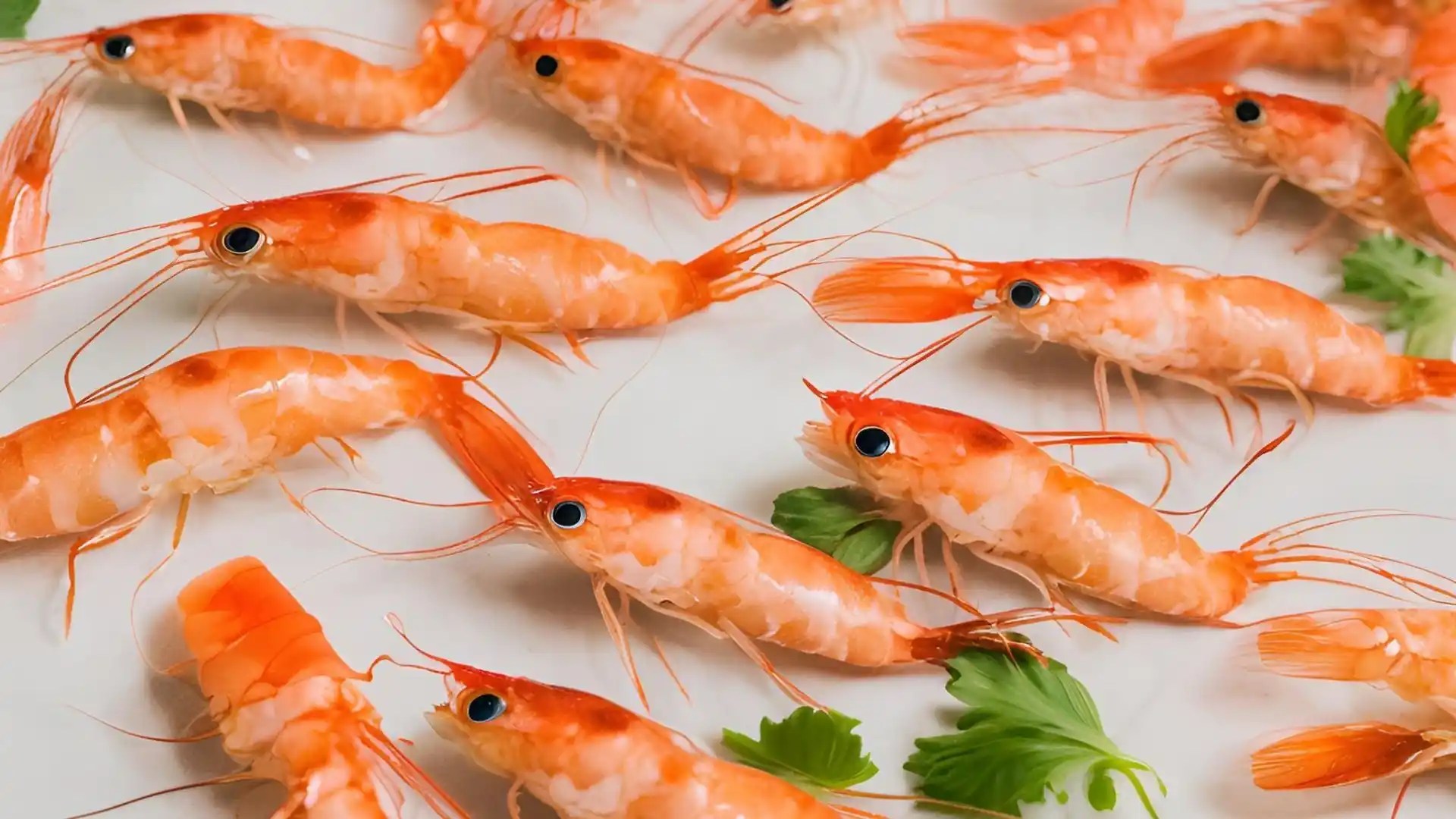
- Choose Your Shrimp: Red Cherry Shrimp are a popular choice for beginners due to their hardiness and ease of care.
- Draw a Diagram: Sketch a simple diagram of your system, showing the tank, grow bed, pump, and plumbing.
Step 2: Gathering Materials Here's a list of the basic materials you'll need:
- Aquarium Tank (20 gallons or larger): This will house your shrimp.
- Grow Bed (Similar size to the tank): A plastic container works well.
- Water Pump: Submersible pump with appropriate flow rate for your system size (check the pump's specifications).
- Air Pump and Air Stone: To provide oxygen for the shrimp.
- Grow Media: Clay pebbles, gravel, or lava rock.
- Plumbing: Tubing to connect the tank and grow bed.
- Bell Siphon (Optional, but recommended for automated draining): Available online or at hydroponics stores. Otherwise, use a timer for the pump.
- Aquarium Heater (If needed): Shrimp often require warmer water than room temperature.
- Dechlorinator: To remove chlorine from tap water.
- Test Kit: To monitor water parameters (pH, ammonia, nitrite, nitrate).
- Shrimp Food: Commercially available shrimp food.
- Plants: Seedlings or small plants.
Step 3: Building the Aquaponic System
- Prepare the Tank: Clean the aquarium tank thoroughly. Add dechlorinated water. Set up the air pump and air stone. If needed, install and program your heater.
- Prepare the Grow Bed: Drill drainage holes in the bottom of the grow bed. Rinse the grow media thoroughly to remove dust and debris. Fill the grow bed with the cleaned grow media.
- Connect the Pump: Place the submersible pump in the aquarium tank. Connect tubing from the pump outlet to the grow bed.
- Install the Bell Siphon (If Using): Follow the manufacturer's instructions for installing the bell siphon in the grow bed's drainage outlet. If you're not using a bell siphon, connect the drainage outlet of the grow bed back to the aquarium tank via tubing and set the pump on a timer to periodically flood and drain the grow bed.
- Cycle the System: Before adding shrimp, cycle the system to establish beneficial bacteria. This process takes several weeks. Add a small amount of ammonia (fish food will work). Test the water daily. When ammonia and nitrite levels drop to zero and nitrate levels rise, the system is cycled.
Step 4: Adding Shrimp and Plants
- Acclimate the Shrimp: Float the bag containing the shrimp in the tank for about 30 minutes to equalize the temperature. Slowly add small amounts of tank water to the bag over the next hour before releasing the shrimp into the tank.
- Plant Your Plants: Gently remove the plants from their containers and rinse the roots. Plant them in the grow media.
Step 5: Maintenance and Monitoring
- Monitor Water Parameters: Regularly test the water for pH, ammonia, nitrite, and nitrate. Adjust as needed to maintain optimal levels.
- Feed the Shrimp: Feed the shrimp a small amount of food daily. Avoid overfeeding.
- Water Changes: Perform partial water changes (10-20%) weekly or bi-weekly.
- Clean the System: Periodically clean the tank and grow bed to remove algae and debris.
- Prune Plants: Prune plants as needed to encourage growth.
Conclusion: Enjoying Your Aquaponic Shrimp Farm Congratulations! You've built your own small aquaponic shrimp farm. With proper care and maintenance, you'll be able to enjoy fresh, homegrown plants and observe the fascinating symbiotic relationship between the shrimp and the plants. Remember to research further and adapt the system to your specific needs and preferences. Happy growing!
How To Successfully Raise Aquaponics Shrimp
fnb.tech Aquaponics Farm
 app.worldwatch.news
 How To Successfully Raise Aquaponics Shrimp
 fnb.tech

Categories:
